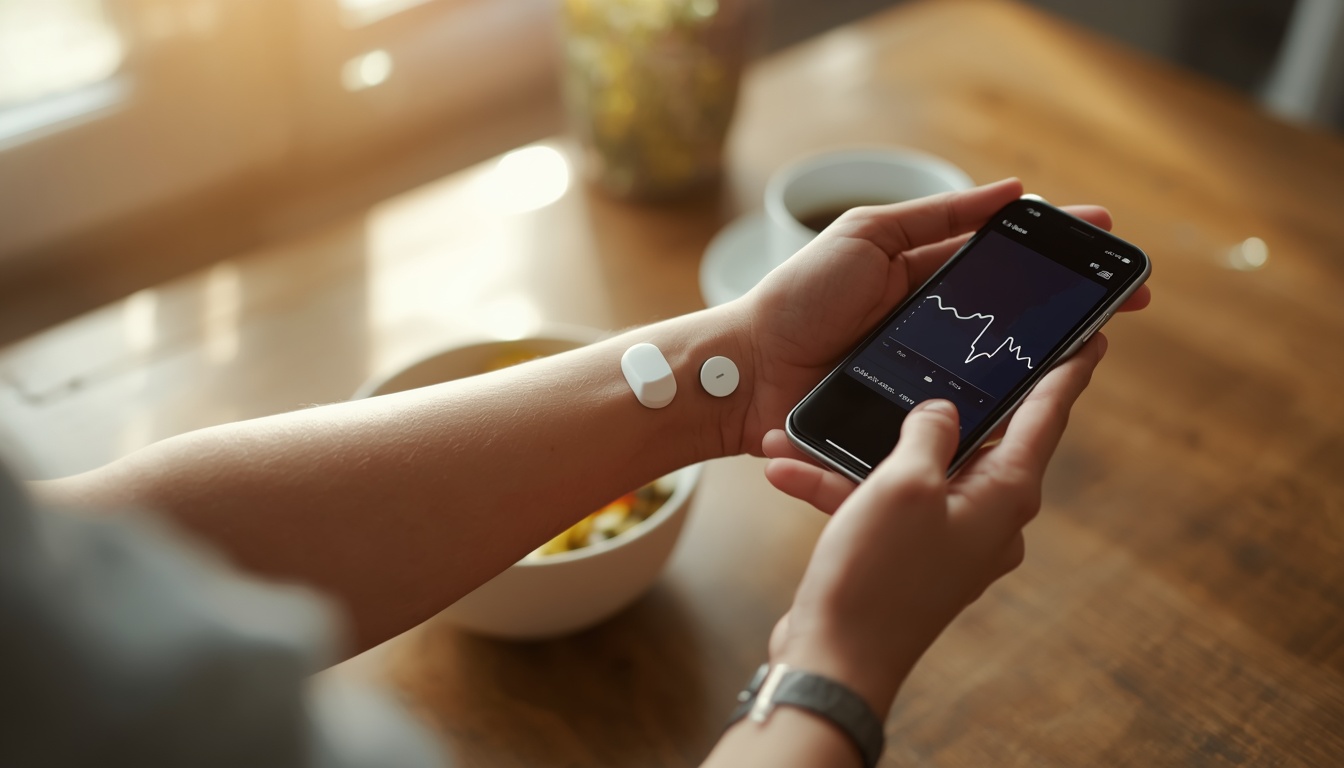
Endocrinology is long-game medicine. A patient with type 1 diabetes may be followed for decades, with an HbA1c every three months, continuous glucose monitor uploads every visit, an annual eye and foot exam, and pump setting adjustments in between. A patient with a thyroid nodule needs an ultrasound on schedule and a fine needle aspiration result on record. A patient with adrenal insufficiency needs replacement therapy that is carefully titrated. Endocrinology EHR software makes these trajectories visible by storing hormone panels, glycemic metrics, screening dates, and therapy changes as structured data.
This guide is for endocrinology clinic owners, diabetes center managers, and hospital administrators comparing the best endocrinology EMR. It covers the workflows to require, how options compare, pricing, and rollout planning.
Why General EHRs Struggle With Endocrinology
- Glycemic data is not connected. HbA1c values, CGM metrics such as time in range, and pump settings sit in different places, so the full picture takes minutes to assemble in each visit.
- Complication screening is easy to miss. Diabetes standards of care call for regular eye, kidney, and foot screening, and gaps go unseen without a compliance view.
- Hormone panels are lists of numbers. Analytes, units, and abnormal flags are best stored per panel so that trends and abnormal results are easy to find.
- Nodule and bone surveillance needs dates. Thyroid nodule ultrasounds and DEXA scans must be tracked to their due dates.
- Pediatric growth needs its own fields. Height and weight percentiles, bone age, and Tanner stage are central to pediatric endocrinology.
Core Workflows an Endocrinology EHR Must Support
1. Clinical Assessment With Hormone Panels and Growth Tracking
The assessment record captures the chief complaint and history, plus hormone panels each with a panel name, draw date, and result rows (analyte, value, unit, abnormal flag). For children, growth tracking stores height, weight, BMI, height and weight percentiles, bone age in years, and Tanner stage. Structured panels let clinicians see, for instance, a cortisol or IGF-1 trend without opening old PDFs.
2. Diabetes Management
Diabetes enrollment supports type 1, type 2, gestational, MODY, and secondary diabetes, with a control status (at goal, above goal, poorly controlled, brittle). The record stores an HbA1c history of dated values. Glucose monitoring fields capture the method (self-monitoring, CGM, or flash), the CGM device, time in range, time below range, glucose management indicator (GMI), and the last upload date. International consensus targets for many adults are more than 70 percent time in range and less than 4 percent time below range, so having these fields makes it easy to report against target. Insulin pump fields capture the device, total basal units, carbohydrate ratio, correction factor, and whether the system is closed loop. Diabetes education entries record date, topic, and educator.
3. Complication Screening
Diabetes guidelines recommend regular screening for retinopathy, kidney disease, and foot problems. The complication screening record stores the last retinopathy exam and status, urine albumin-to-creatinine ratio, eGFR, last foot exam date, and whether neuropathy is present. Analytics then report compliance: the percentage of diabetes patients with retinopathy screening and foot exams on record. This is the kind of quality measure that payers and accreditation programs ask for. For the kidney side of diabetes care, see our guide to nephrology software. For eye screening, see ophthalmology EMR software.
4. Thyroid and Metabolic Care
Thyroid and metabolic enrollment covers hypothyroidism, hyperthyroidism, thyroid nodules, thyroid cancer, osteoporosis, lipid disorders, and metabolic syndrome. The record stores dated TSH values, thyroid nodule tracking (size, TI-RADS category, FNA Bethesda category, last ultrasound, next due), bone health (DEXA T-scores at spine and hip, FRAX major fracture risk, last DEXA, treatment agent), and a dated lipid panel (total cholesterol, LDL, HDL, triglycerides). Storing nodule TI-RADS and Bethesda categories alongside the next ultrasound date reduces the risk of missed surveillance.
5. Adrenal, Pituitary, and Reproductive Endocrinology
This section supports adrenal insufficiency, Cushing's syndrome, pheochromocytoma, adrenal incidentaloma, pituitary adenoma, hypopituitarism, PCOS, and related conditions. It stores dynamic testing entries (test, date, result, interpretation), imaging surveillance (modality, lesion size, last imaging, next due), and replacement therapy (hormone, agent, dose, last adjusted). Recording the last adjustment date for replacement therapy helps clinicians titrate carefully.
6. Analytics
Dashboards show glycemic control by diabetes type, complication screening compliance (retinopathy and foot exam percentages), activity trends, and status breakdowns. These give endocrinology leaders the data they need for quality programs and payer reporting.
Endocrinology EHR Comparison: General EHR Plus CGM Platform, Enterprise Module, and Quecorex
| Criteria | General ambulatory EHR plus CGM platform | Enterprise EHR endocrine tools | Quecorex Endocrinology module |
|---|---|---|---|
| Best fit | Independent endocrinology and diabetes clinics | Large health systems | Hospitals and clinics wanting endocrinology inside the hospital record |
| Glycemic data in the chart | Often separate CGM portals | Device integration possible | HbA1c history, time in range, time below range, GMI, pump settings |
| Complication screening | Templates and reminders | Health maintenance rules | Retinopathy, UACR, eGFR, foot exam, neuropathy, with compliance analytics |
| Thyroid, bone, lipids | Templates | Templates | Nodule TI-RADS and Bethesda tracking, DEXA and FRAX, lipid panels |
| Adrenal and pituitary | Free text | Free text | Dynamic tests, imaging surveillance, replacement therapy |
| Hospital integration | Interfaces required | Native | Native with lab, pharmacy, nephrology, and inpatient |
Most endocrinology clinics run general ambulatory EHRs from vendors such as athenahealth, eClinicalWorks, or NextGen, alongside CGM data platforms such as Glooko, Tidepool, Dexcom Clarity, and LibreView. Direct device data import into the EMR differs by vendor, so ask for a current list of supported devices and what is included in the price. If you are a hospital that wants endocrinology connected to laboratory, pharmacy, and inpatient diabetes care, an integrated module reduces the number of systems to maintain. Product names belong to their respective owners and this comparison reflects general positioning, so verify capabilities directly with each vendor. See also our EHR systems comparison.
Buyer's Checklist: Choosing the Best Endocrinology EHR
- Can you store HbA1c history and CGM metrics such as time in range, time below range, and GMI?
- Are insulin pump settings captured as structured data?
- Does complication screening include retinopathy, UACR, eGFR, foot exam, and neuropathy, with a compliance report?
- Can thyroid nodules be tracked with TI-RADS, Bethesda category, and next ultrasound due?
- Are DEXA T-scores and FRAX stored, with a treatment agent?
- Is there a place for dynamic tests, replacement therapy, and imaging surveillance?
- Are diabetes education sessions logged with topic and educator?
- Which CGM and glucose meter platforms can be integrated?
Pricing and Total Cost of Ownership
Ambulatory EHRs are commonly priced per provider per month; hospital platforms are quoted per module or per bed. Ask each vendor to price the same scenario: endocrinologists, educators, sites, patient volumes, and CGM integrations. Include migration of long lab histories, training, and parallel-running costs. Quecorex licenses endocrinology as a specialty bundle of sub-modules on the core hospital platform.
Need endocrinology software pricing? Request a Quecorex quote or book a demo built around your diabetes and thyroid clinics.
Implementation Timeline
Start with diabetes management, where the largest share of patients sits (weeks 1-4), then clinical assessment with hormone panels (weeks 5-6), thyroid and metabolic care (weeks 7-8), and adrenal, pituitary, and reproductive endocrinology with analytics (weeks 9-10). Import existing HbA1c history and screening dates so compliance reports are meaningful from launch. Our EMR implementation guide covers training and go-live planning.
Metrics Endocrinology Departments Should Track
- Glycemic control distribution by diabetes type
- Retinopathy screening and foot exam compliance
- Time in range and time below range trends
- Thyroid nodules overdue for ultrasound
- Patients with osteoporosis on treatment
- Record volume and activity trend by month
Final Thoughts
Endocrinology rewards continuity: the clinic that sees every trend and closes every screening gap gets better outcomes. Structured glycemic data, complication screening, nodule and bone surveillance, and therapy tracking give clinicians and managers that visibility. Quecorex Endocrinology sits on the same platform as your hospital management system. Book an endocrinology demo and see a diabetes visit from HbA1c to screening compliance.