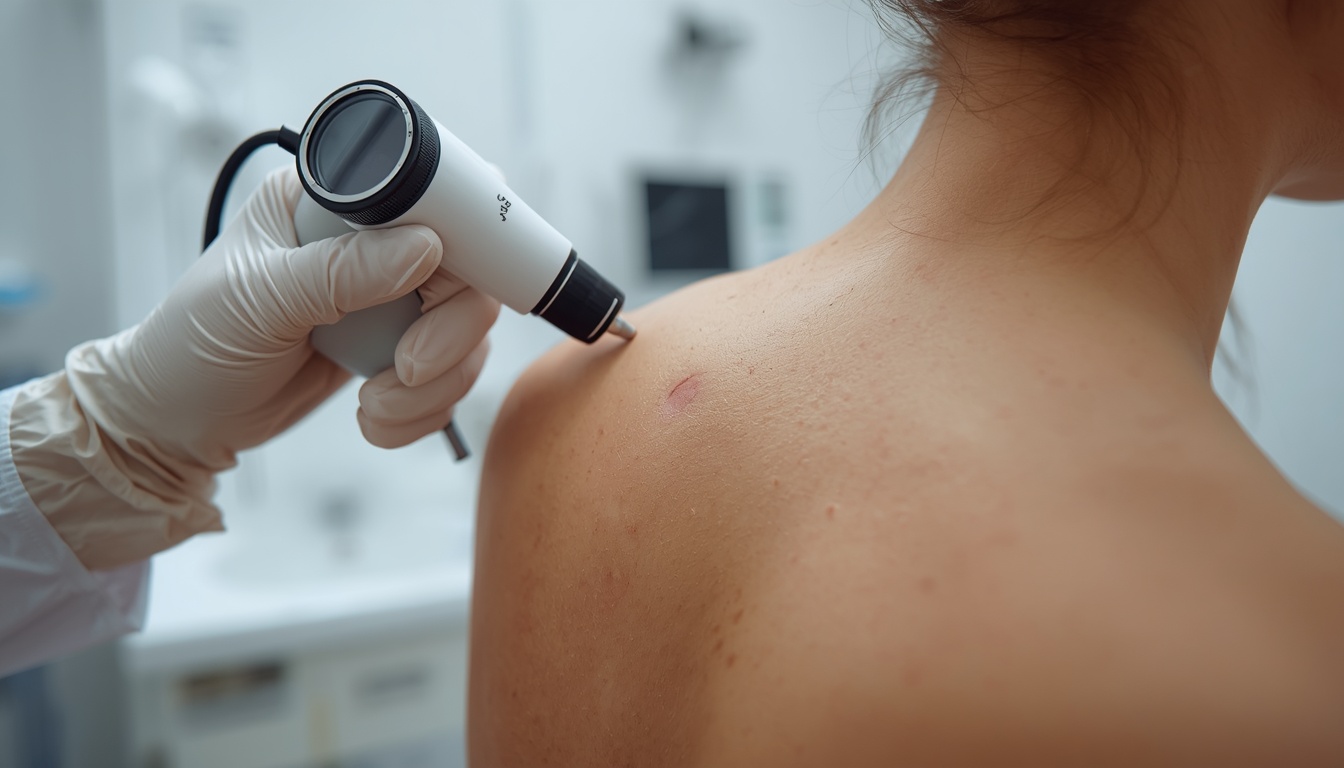
Dermatology is a visual, lesion-based specialty with a very high volume of small decisions. A single full-body skin exam can involve dozens of lesions, each with a body site, size, color, morphology, and a decision: observe, biopsy, or treat. Miss the follow-up on one suspicious lesion and the consequence can be a delayed melanoma diagnosis. Dermatology EHR software is built to make that lesion-level detail structured, comparable across visits, and linked to pathology, so that every biopsy has an owner and every result closes the loop.
This guide is for dermatology practice owners, hospital dermatology departments, and clinic managers evaluating the best dermatology EHR. It covers the workflows to require, how specialty and general options compare, what to expect on pricing, and how to plan a rollout.
Why Generic EHRs Struggle With Dermatology
- Lesions are documented as sentences. Without one structured record per lesion (site, laterality, morphology, size, color), it is impossible to say whether a mole has changed since the last visit.
- Biopsy loops are open. A biopsy is sent, a result comes back days later, and unless the status is tracked, some patients never hear the result.
- Severity is not scored. Psoriasis, eczema, and acne management depend on repeated scoring, which a note template does not trend.
- Procedures are diverse. Excisions, Mohs surgery, cryotherapy, laser treatments, injections, and cosmetic procedures each need different data.
- Surveillance schedules are informal. High-risk patients need a full skin exam at fixed intervals, and someone must know when the next one is due.
Core Workflows a Dermatology EHR Must Support
1. Skin Exam and Lesion Documentation
The skin exam record supports full-body skin exams, focused exams, lesion follow-ups, and teledermatology visits. For each lesion, it stores the body site, laterality, morphology, size in millimeters, color, ABCDE flags (asymmetry, border, color, diameter, evolving), dermoscopy findings, suspicion level (benign, atypical, or suspicious for malignancy), a photo reference, and the action taken. It also records whether total body photography was performed and a comparison to the prior exam, including the date of the prior exam and changes noted. The result is a lesion history that supports genuine change detection.
2. Diagnostic Procedures and Biopsy Tracking
Diagnostic procedure records cover shave, punch, excisional, and incisional biopsies, patch testing, and direct immunofluorescence. Each records the body site, clinical indication, clinical impression, and pathology status with accession number, diagnosis, resulted date, and a malignant flag, plus a follow-up plan. Patch testing includes the allergen series and readings by day with allergen and reaction. Because status and results dates are stored, the department can see pending biopsies and measure how long results take. For the pathology side of that loop, read our guide to anatomic pathology software.
3. Disease Management: Skin Cancer Surveillance and Chronic Skin Disease
Enrollment supports melanoma surveillance, non-melanoma skin cancer, psoriasis, eczema, acne, rosacea, hidradenitis suppurativa, autoimmune bullous disease, and vitiligo. Each enrollment tracks control status, severity scores with instrument, score, and date (for example PASI, EASI, or IGA), current therapies, a phototherapy plan, goals, and a care plan. The surveillance schedule holds the interval in months, the last full exam, and the next due date, which turns follow-up from a memory task into a managed one.
4. Procedural Dermatology and Mohs Surgery
Procedure records cover excision, Mohs surgery, cryotherapy, laser, electrodesiccation and curettage, cosmetic procedures, and intralesional injections. Each records the body site, indication, pre-operative diagnosis, specimen size, closure type, complications with severity and management, post-procedure care instructions, and a signature. Mohs micrographic surgery has its own detail: the number of stages, final defect size, whether margins are clear, and the repair type. These fields support both quality review and accurate billing.
5. Analytics: Biopsy Turnaround and Malignancy Rate
Dashboards show the number of resulted biopsies, average and maximum turnaround in days, the number of malignancies detected, and the malignancy rate, along with activity trends and status breakdowns by resource. Turnaround time is a practical quality measure: if the average result takes ten days, patients are waiting in anxiety, and a lab conversation may be overdue.
6. Teledermatology
Teledermatology exams are a supported exam type, so remote lesion assessments use the same structured record as in-person visits and appear in the same history. For the wider virtual care picture, see our guide to telehealth integration with hospital EMR.
Dermatology EHR Comparison: Specialty Derm EHRs, Enterprise Templates, and Quecorex
| Criteria | Specialty dermatology EHR | Enterprise EHR dermatology templates | Quecorex Dermatology module |
|---|---|---|---|
| Best fit | Independent dermatology practices and cosmetic clinics | Large health systems | Hospitals and clinics wanting dermatology inside the hospital record |
| Lesion-level documentation | Strong, often with body maps and imaging | Templates | Per-lesion site, morphology, size, ABCDE flags, dermoscopy, prior comparison |
| Biopsy and pathology tracking | Strong | Order and result based | Status, accession, diagnosis, malignant flag, turnaround analytics |
| Mohs and procedures | Strong | Configurable | Mohs stages, defect size, margins, repair type, complications |
| Cosmetic and retail workflows | Often included | Limited | Cosmetic procedure category supported, hospital billing platform |
| Hospital integration | Interfaces required | Native | Native with pathology, pharmacy, inpatient, and billing |
Specialty dermatology vendors such as ModMed and Nextech are widely used by independent practices, and dermoscopy and total body photography tools such as DermEngine and Canfield imaging systems are popular add-ons. If your dermatology service is part of a hospital or multi-specialty network and needs pathology, pharmacy, and billing connected, an integrated module reduces interface work. Product names belong to their respective owners and this comparison reflects general positioning, so verify capabilities directly with each vendor. For a broader look, see our EHR systems comparison.
Buyer's Checklist: Choosing the Best Dermatology EHR
- Is each lesion its own structured record with site, size, morphology, color, and ABCDE flags?
- Can you compare against the prior exam and note changes?
- Does biopsy tracking show pending, resulted, and malignant statuses with accession numbers?
- Can you report biopsy turnaround and malignancy rate?
- Are severity scores such as PASI or EASI stored with dates for trending?
- Is there a surveillance schedule with a next due date for high-risk patients?
- Does it record Mohs stages, margins, and repair details?
- How does it handle photography and image storage, and are those costs included?
Pricing and Total Cost of Ownership
Specialty dermatology EHRs are commonly priced per provider per month, and imaging or cosmetic add-ons are often priced separately. Hospital platforms are quoted per module or per bed. Ask each vendor to price the same scenario: number of dermatologists, sites, expected visit and procedure volume, imaging needs, and pathology interfaces. Include data migration, training, and parallel-running costs. Quecorex licenses dermatology as a specialty bundle of sub-modules on the core hospital platform.
Looking for a firm quote? Request Quecorex dermatology pricing or book a demo built around your clinic.
Implementation Timeline
Start with clinical documentation and lesion records (weeks 1-3), add diagnostic procedures and biopsy tracking (weeks 4-5), then disease management and surveillance schedules (weeks 6-7), and procedural documentation with Mohs and analytics (weeks 8-10). Load existing surveillance intervals early so that due dates work from day one. Our EMR implementation guide covers change management in detail.
Metrics Dermatology Departments Should Track
- Biopsy turnaround: average and maximum days to result
- Malignancy rate among resulted biopsies
- Pending biopsies older than an agreed threshold
- Overdue surveillance exams
- Severity score change for chronic disease patients
- Mohs cases with clear margins and average stages
Final Thoughts
Good dermatology depends on noticing change and closing loops. Structured lesion records, tracked biopsies, scheduled surveillance, and scored chronic disease turn a busy clinic into a reliable one. Quecorex Dermatology connects skin exams, biopsies, disease management, and procedures in one episode of care, on the same platform as your hospital management system. Book a dermatology demo and follow a suspicious lesion from exam to pathology result.