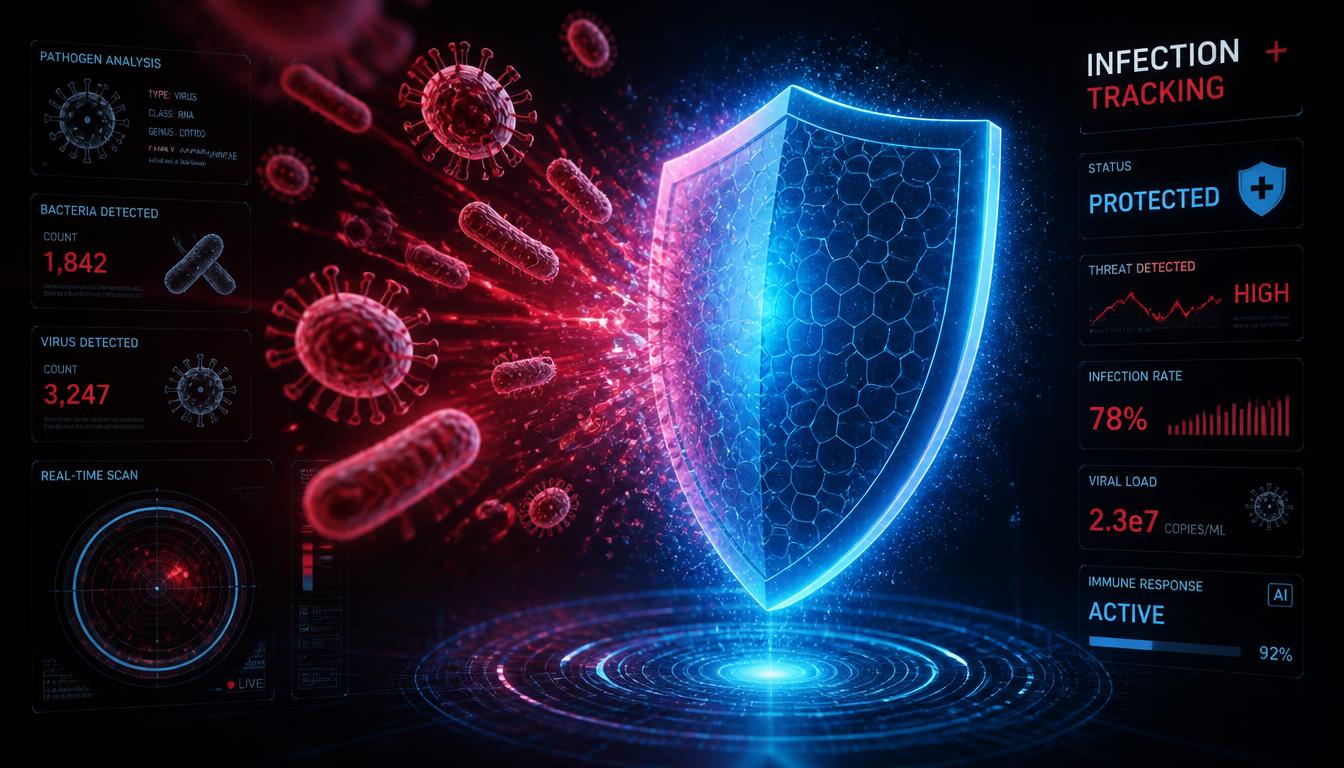
Healthcare-Associated Infections (HAIs) affect approximately 1 in 31 hospital patients on any given day in the USA, causing 99,000 deaths and costing $45 billion annually. Globally, the burden is far higher. Effective hospital infection control programs powered by surveillance software detect HAIs early, identify outbreaks before they spread, and enable targeted prevention interventions that protect both patients and healthcare workers.
HAI Surveillance
Electronic surveillance uses algorithmic case-finding to identify potential HAIs from clinical data, culture results, antibiotic orders, imaging findings, and diagnostic codes, automatically flagging cases for infection preventionist review. Surveillance definitions for CLABSI (central line-associated bloodstream infection), CAUTI (catheter-associated urinary tract infection), SSI (surgical site infection), VAP (ventilator-associated pneumonia), and C. difficile are applied consistently without manual chart review, dramatically increasing surveillance sensitivity and specificity over traditional paper-based methods.
Outbreak Detection and Contact Tracing
Cluster analysis algorithms identify statistically unusual groupings of infections by organism, unit, time period, and risk factors that suggest transmission rather than independent community acquisition. When clusters are detected, contact tracing maps patient locations, nursing assignments, and shared equipment to identify potential transmission pathways. Healthcare worker exposure tracking supports occupational health decisions during outbreaks of communicable diseases.
Antimicrobial Resistance Surveillance
Antibiogram reports summarizing organism susceptibility rates by antibiotic help clinical pharmacists and prescribers select empirical antimicrobial therapy appropriate for local resistance patterns. MRSA, VRE, ESBL-producing Enterobacteriaceae, CRE (carbapenem-resistant Enterobacteriaceae), and Candida auris tracking enables targeted colonization screening and isolation precaution programs. Resistance trend analysis identifies emerging resistance before it becomes a crisis.
NHSN Reporting
The National Healthcare Safety Network (NHSN) is the CDC's platform for healthcare facility HAI surveillance reporting in the USA. CMS requires hospitals to report NHSN data as a condition of Medicare payment. Infection control software automates NHSN data extraction and submission for CLABSI, CAUTI, SSI, MRSA bacteremia, and C. difficile, eliminating the manual data entry that makes NHSN reporting burdensome for infection prevention teams.
Sterilization and Instrument Tracking
Sterile processing management tracks surgical instruments through the decontamination, inspection, packaging, sterilization, and distribution cycle. Sterilization parameters (autoclave temperature, pressure, exposure time, biological indicator results) are documented for every load. Instrument traceability links sterilization records to specific surgical cases for post-procedure recall management when sterilization failures occur. Integration with surgical scheduling ensures sterilized instrument sets are available when needed for scheduled procedures.
Hand Hygiene Compliance Monitoring
Hand hygiene is the single most effective infection prevention intervention, yet compliance averages only 40% in most hospitals without monitoring programs. Electronic hand hygiene monitoring systems (RFID-based or camera-based) provide automated compliance data by unit, role, and time of day without observer bias. Real-time compliance dashboards enable unit leaders to identify non-compliant patterns and intervene with targeted education and feedback.
Ready to optimize your Hospital Infection Control Hai Surveilla workflows? Book a tailored Quecorex demo today.
Measuring Infections Fairly
Infection rates only mean something when the numerator and denominator are defined consistently. Common measures include central line-associated bloodstream infections per 1,000 central line days, catheter-associated urinary tract infections per 1,000 catheter days, and surgical site infections per 100 procedures. Software helps by capturing device days and procedures automatically so denominators are accurate. Use standard case definitions from your national or international surveillance programme so results are comparable.
Prevention Practices Software Can Support
- Hand hygiene. Audit compliance around the WHO five moments for hand hygiene and share results with wards.
- Device bundles. Checklists for insertion and daily review of lines and catheters.
- Isolation alerts. Flags in the record and bed board for patients needing precautions.
- Antimicrobial stewardship. Review of antibiotic use and alerts for prolonged courses.
- Environmental cleaning. Task tracking for terminal cleans after isolation patients.
- Sterilisation tracking. Instrument set traceability from sterilisation to patient.
A Surveillance Workflow That Works
- Flag possible cases automatically from laboratory results, antibiotic orders, and clinical signs.
- Have infection prevention staff review flags and apply case definitions.
- Feed confirmed cases into rate reports by ward, unit, and organism.
- Share results with clinical leaders monthly and agree actions.
- Track whether actions change the rates.
Connect this with bed management for isolation and with the module structure in the pricing estimator.
Outbreak Response Step by Step
When surveillance flags more cases than expected on a unit, speed matters. A typical response starts with confirming the signal and the diagnoses, identifying the organism, listing affected patients and their locations, and reviewing exposures such as shared staff, equipment, or procedures. Isolation and cohorting follow, along with enhanced cleaning, staff communication, and reporting to health authorities where required. Software helps by producing the case list, location history, and contact lists quickly, and by keeping a timeline of actions. Rehearse the process with a mock outbreak so your team knows who does what.
Data Sources for Surveillance
| Source | What it contributes |
|---|---|
| Laboratory results | Positive cultures, organisms, resistance patterns |
| Orders and medication records | Antibiotic starts and durations |
| Nursing records | Device insertion and removal, wound status, observations |
| Admission, transfer, and discharge data | Patient location and length of stay |
| Operative records | Procedures and wound classification for surgical site infections |
The more of this data is captured as structured fields in a shared system, the less manual chart review infection prevention staff need to do.
Working With Other Teams
- Nursing: hand hygiene, device care, and isolation are delivered at the bedside, so the nursing record matters. See nursing management software.
- Housekeeping and facilities: cleaning standards and terminal cleans after isolation patients.
- Equipment and sterilisation: reprocessing records and equipment maintenance. See biomedical equipment management.
- Leadership: monthly rate reports and action tracking through dashboards.
Conclusion
Hospital infection control has evolved from a reactive discipline to a proactive surveillance-driven program. The difference between hospitals with high HAI rates and those achieving benchmark-level performance is often the quality of their surveillance data and the speed of their outbreak response. Quecorex Infection Control module provides automated HAI surveillance, outbreak detection analytics, NHSN reporting, and sterilization management for infection prevention programs worldwide.